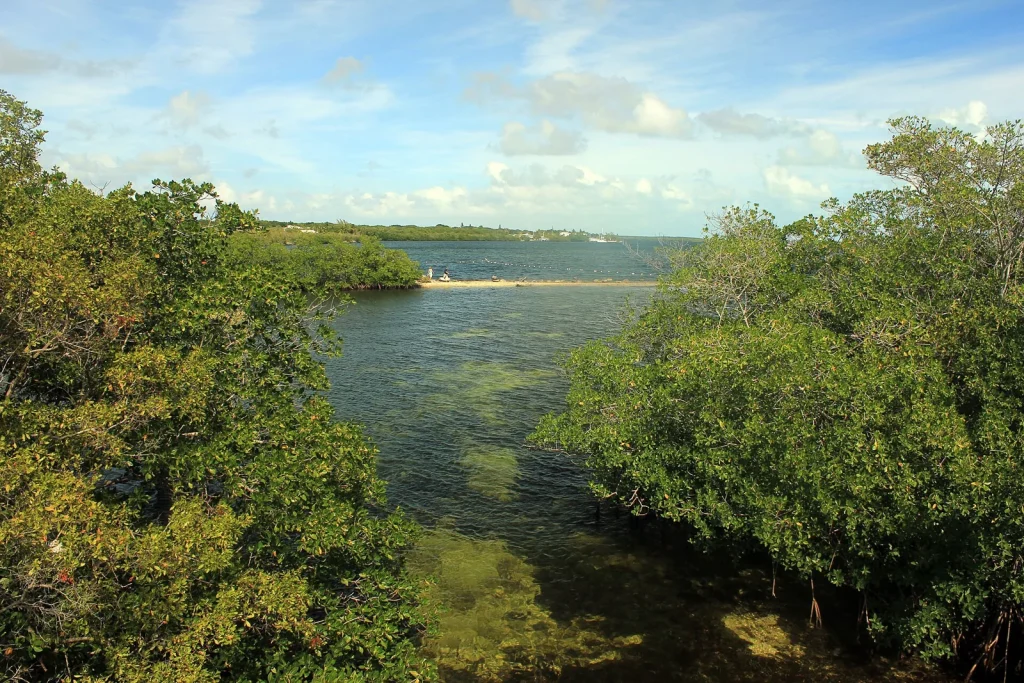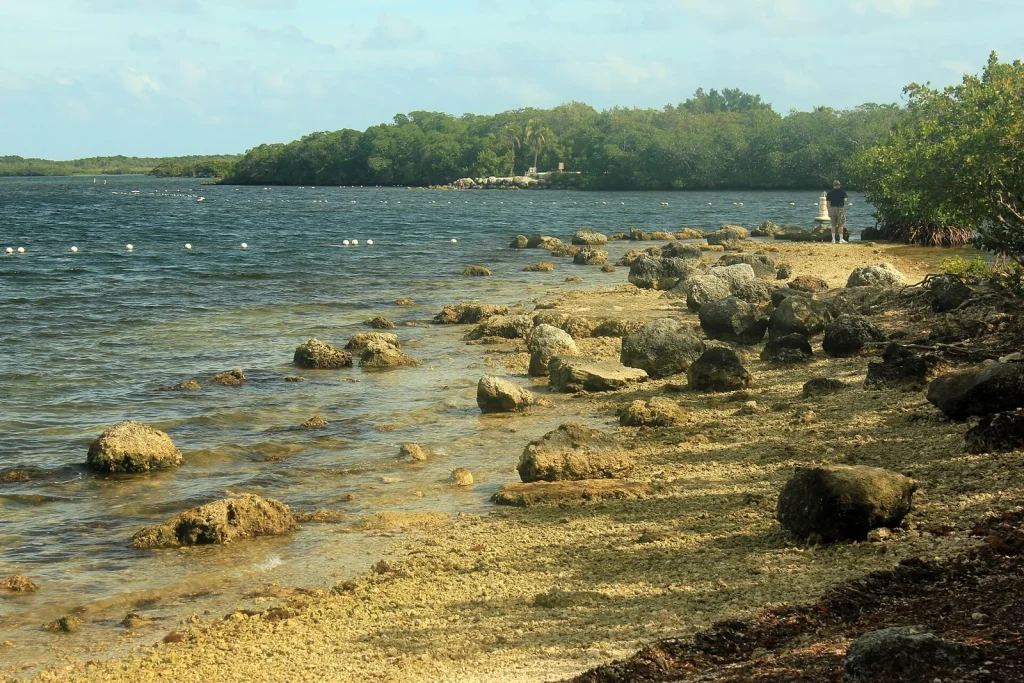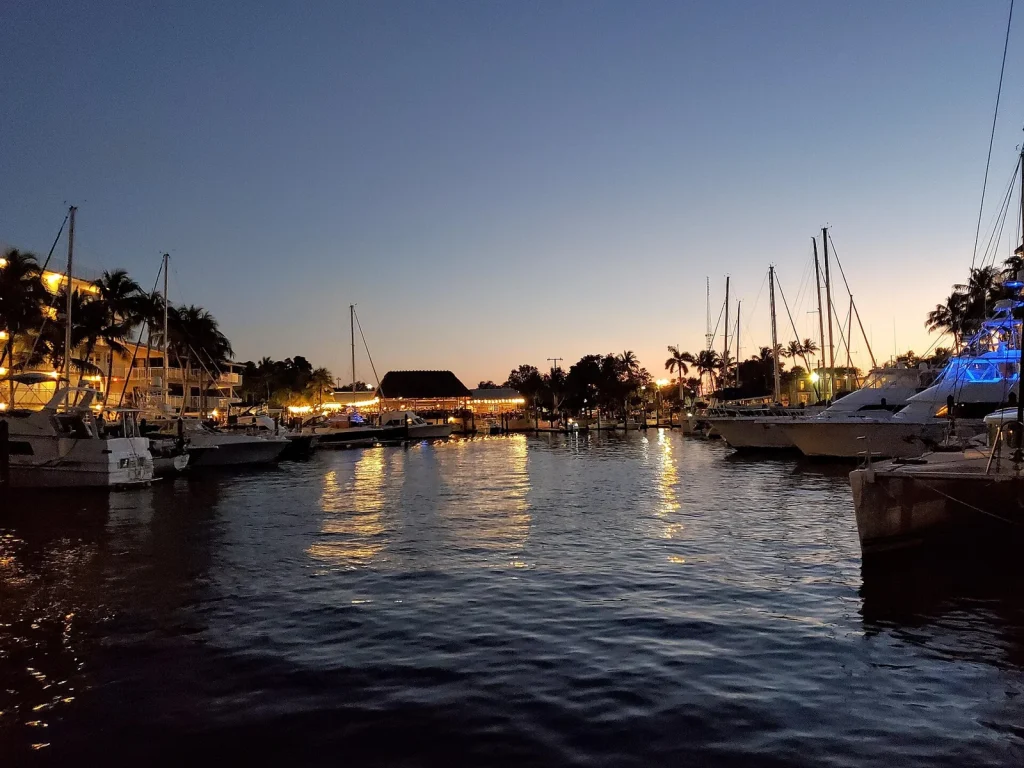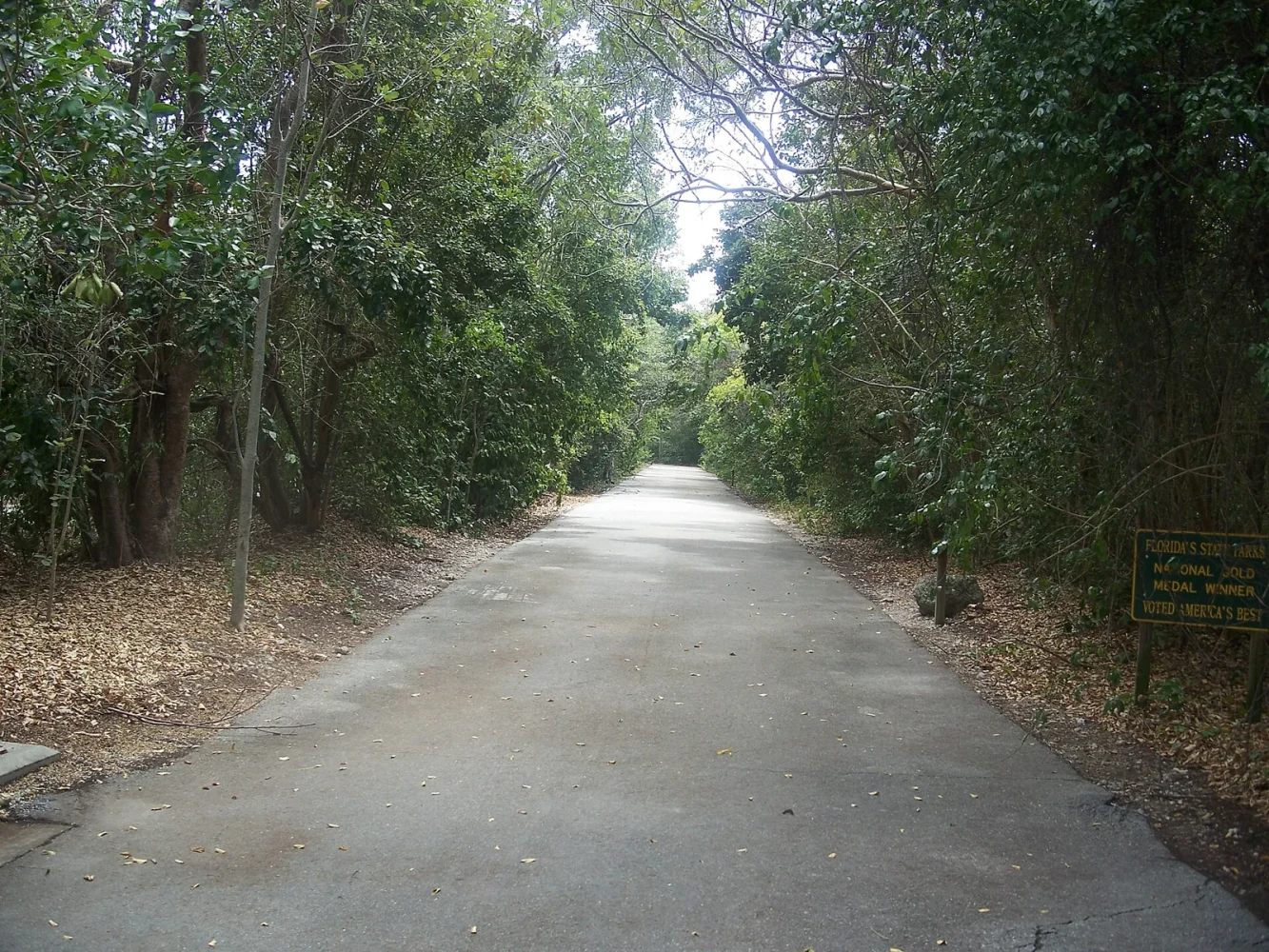
There is more to Key Largo than the view from a boat. On land, the island offers a different scale: leaves, limestone, roots, a short walk and the detail of a quiet shoreline. Treating these places as part of the trip gives you a fuller picture of the Upper Keys and a useful alternative when offshore conditions change.
Understand what a hammock means here
In this landscape, a hardwood hammock is a wooded habitat rather than a hanging bed. The dense vegetation can feel very different from the bright open water nearby. Light falls in fragments, paths narrow the view and the interest is often in a small detail rather than a distant landmark. Slow down enough to notice that contrast instead of treating a walk as a box to tick.
Dagny Johnson Key Largo Hammock Botanical State Park protects tropical hardwood habitat on the northern part of the island. Its conservation story is part of what makes a visit meaningful. The state park’s official information is the right source for current access, facilities and any restrictions. Check that information before traveling, especially after severe weather.
Make a walk work for your group
Choose a route and duration that fit the day’s heat, the people with you and the facilities available. Take water and suitable footwear, and keep to designated public routes. Do not assume that every patch of green visible on a map is a public park or a through trail. Insects, sunshine and weather can make a short visit feel longer than expected, so simple preparation matters.
If accessibility is a priority, ask about the route itself rather than relying on the word accessible in a general description. Surface, distance, shade, benches and restroom access all influence the experience. The same care helps families choose a walk that is enjoyable rather than a negotiation about when to turn around.
See the relationship between land and water
Mangroves, seagrass and reef habitats form an interconnected marine landscape. A shoreline view can be interesting without being a swimming beach, and a protected mangrove edge is not an invitation to create a new access point. Follow signs and the instructions of park staff or guides. Give wildlife room and avoid feeding animals to bring them closer.
John Pennekamp Coral Reef State Park offers another way to connect shore-based time with offshore activity. Decide in advance whether you want a walk, a quiet look at the water or a booked boat experience, and check the practical arrangements for each. Our reef-day guide explains why these are different planning decisions.
Distinguish a public park from a refuge
Crocodile Lake National Wildlife Refuge is an important protected area in North Key Largo. Do not treat its name as a promise of a visitor attraction, unrestricted trails or wildlife encounters. Consult the U.S. Fish & Wildlife Service for access information and use only places explicitly open to visitors. A map pin is not permission to enter a conservation area.
Conservation can also shape what a traveler chooses not to do. Staying on an established route, following a closure and accepting that an animal remains out of sight are part of respecting the place. They make a stronger travel memory than trying to force the photograph you hoped to take.
Build a slower half-day
A short walk, a relaxed lunch and an unhurried shore stop can make a satisfying sequence. Keep the driving sensible by choosing places in the same part of the island and allowing time to find the correct entrance. Check parking conditions and avoid stopping in unsafe roadside locations for a photograph.
This quieter plan also works beside a more active trip. After an early boat outing, an ambitious hike may be unnecessary; a shaded stop or an easy meal can be enough. Explore planning food stops and a first Key Largo stay to combine those choices without overfilling the day.
Use the Dagny Johnson park page and Crocodile Lake refuge page as primary sources for the places described here. Conditions and access can change; this guide is an orientation, not a live access notice.