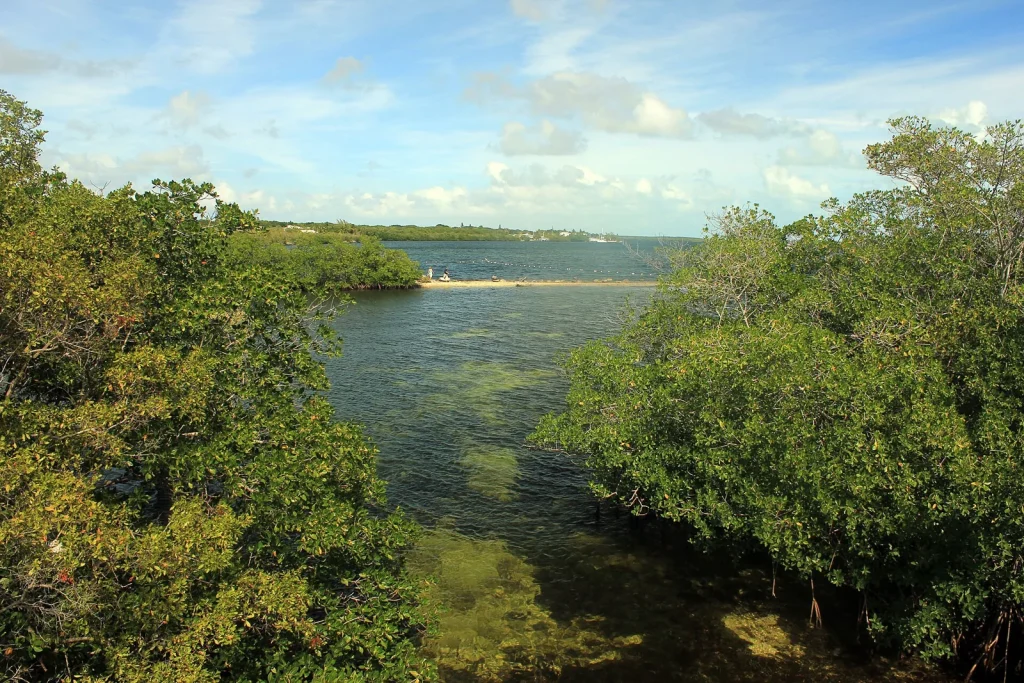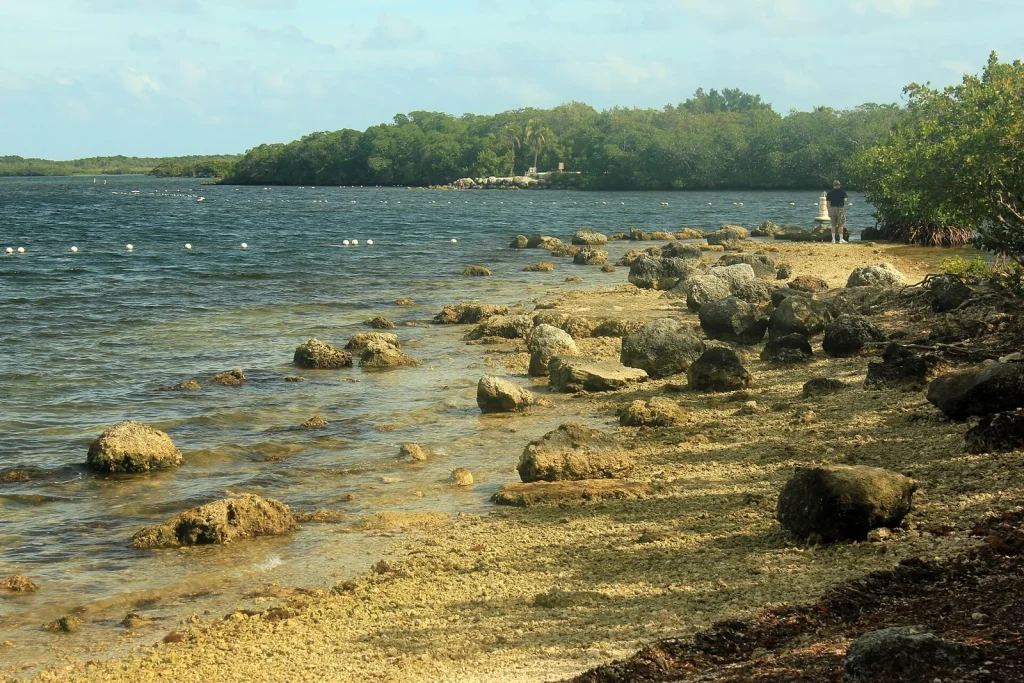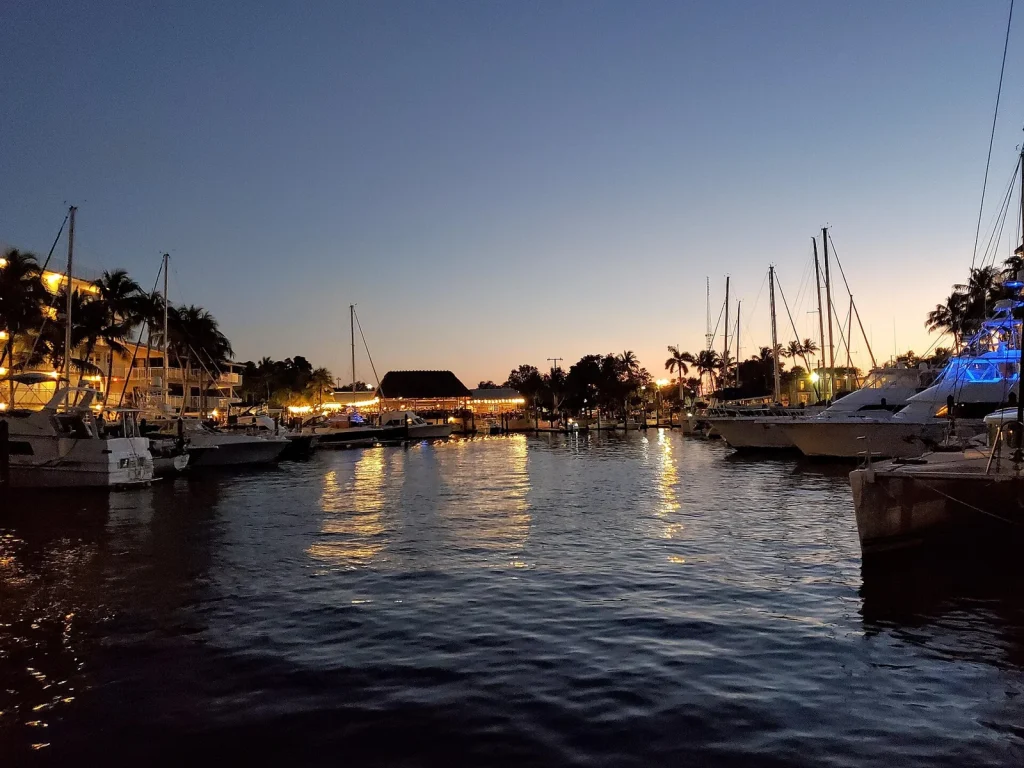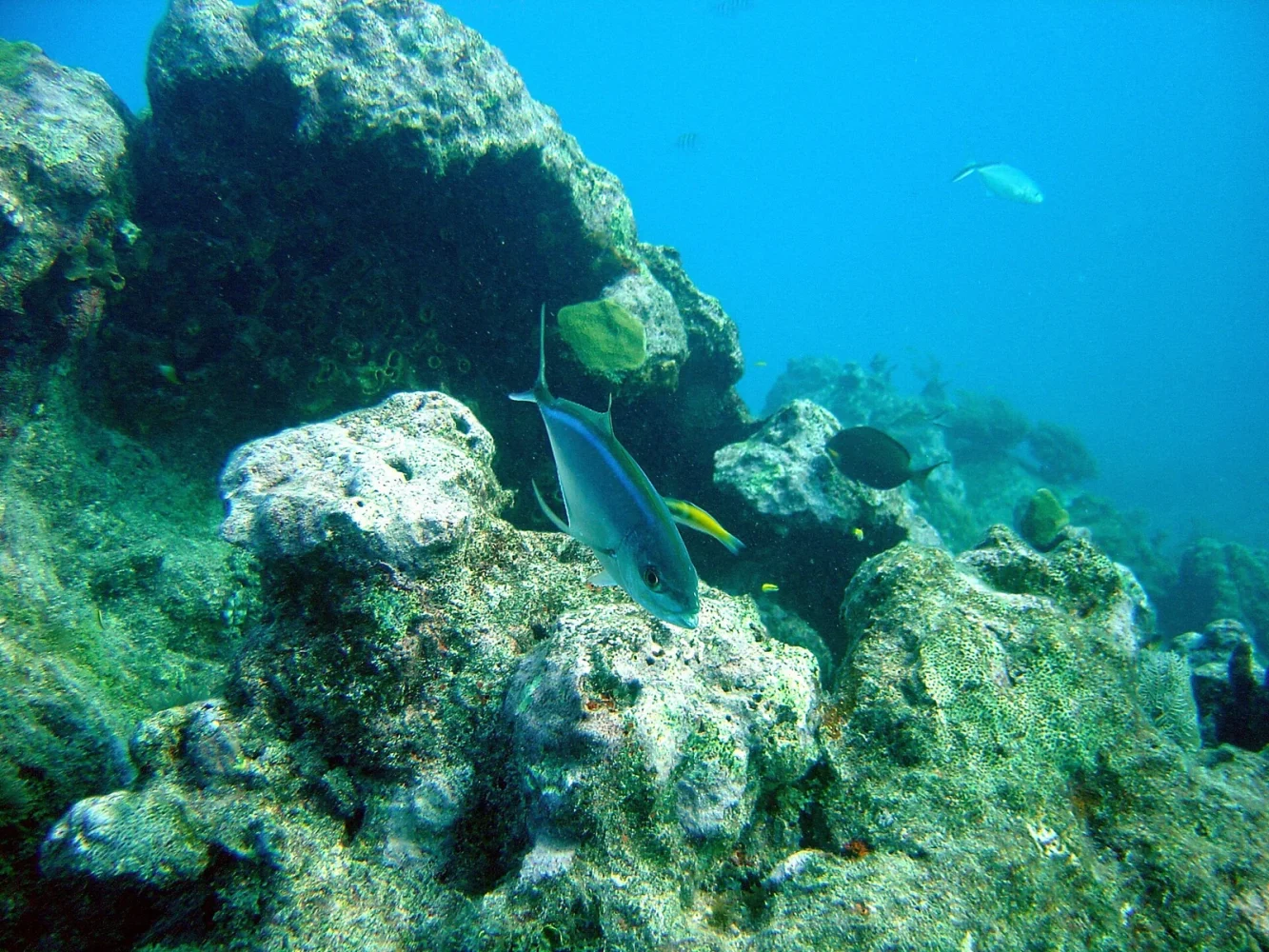
Key Largo makes a good base for travelers who want to spend part of their visit on the water. The first useful decision is the type of experience you want. Snorkeling, diving and looking through a glass-bottom boat offer different ways to encounter the marine environment, and they ask different things of the traveler. Choose the experience before choosing a departure time or comparing a long list of prices.
Start with the people in your group
A reef trip should fit the least confident person who plans to join it. Ask about swimming ability, age restrictions, assistance in the water and the equipment supplied. A photograph of calm water cannot tell you how comfortable a particular outing will feel. If anyone has a mobility requirement, ask the operator about the complete journey, including the dock, boarding, seating and restroom facilities.
For a dive outing, confirm the certification and recent-experience requirements directly with the operator. Do not assume that a tour marketed as a reef experience includes an introductory dive. A non-diver may prefer a different trip entirely. The point of planning together is to make sure everyone understands the activity before arriving at the dock.
Read the departure details carefully
An activity listing is only the starting point. Check the exact meeting point, required arrival time, trip duration and return arrangements. Key Largo businesses are spread along the island, so the name of the destination alone is not enough to judge the drive. Keep a little flexibility between breakfast, travel to the marina and check-in rather than making the boat departure depend on a perfectly timed morning.
Compare what the price includes. Equipment, wetsuits, instruction and other items may vary between products. Confirm cancellation conditions and the operator’s approach to weather changes before paying. The Key Largo tours page provides current provider details, while the operator remains the source for the final conditions and booking terms.
Treat the forecast as part of the plan
Wind, sea state and visibility affect a water outing. Conditions can be different offshore from those at a sheltered shore. Ask the operator what happens if the planned site or route changes, and check messages before leaving for the meeting point. Keep a land-based alternative available so a cancellation does not turn into a wasted day.
John Pennekamp Coral Reef State Park offers both a land base and access to underwater experiences, but particular activities and facilities should be checked with the park and its concession operators. A walk in the hardwood hammock or a slower meal can become the day’s main event when the weather asks you to change plans. Our parks and hammock guide helps put those alternatives in context.
Pack for time away from the shore
Use a small bag that can be secured and kept out of walkways. Bring the essentials the operator requests and avoid unnecessary valuables. Think about sun protection, drinking water and a dry layer for the return, then confirm what is already supplied. If you are unsure about motion discomfort or a health condition, discuss it with an appropriate professional before booking rather than relying on a travel guide.
Respect the reef by following the crew’s briefing and the rules for the site. Avoid standing on or touching coral and give wildlife room. The Florida Keys marine sanctuary protects interconnected habitats, and a photograph is a record of a particular place and time, not a promise of what will be visible during your visit.
Leave a little unplanned time afterward
An ambitious afternoon schedule can make a pleasant boat trip feel rushed. Leave room to rinse off, change clothes and have a meal. If you are continuing along the Keys, check how the actual return fits the drive. A good reef day is one that works at an easy human pace, with enough margin for the water to have its say.
For a broader first visit, pair this guide with planning a first Key Largo stay. For authoritative park details, use Florida State Parks; for marine conservation information, see NOAA’s Florida Keys marine sanctuary.